Journey into
the Human Brain.
Scroll
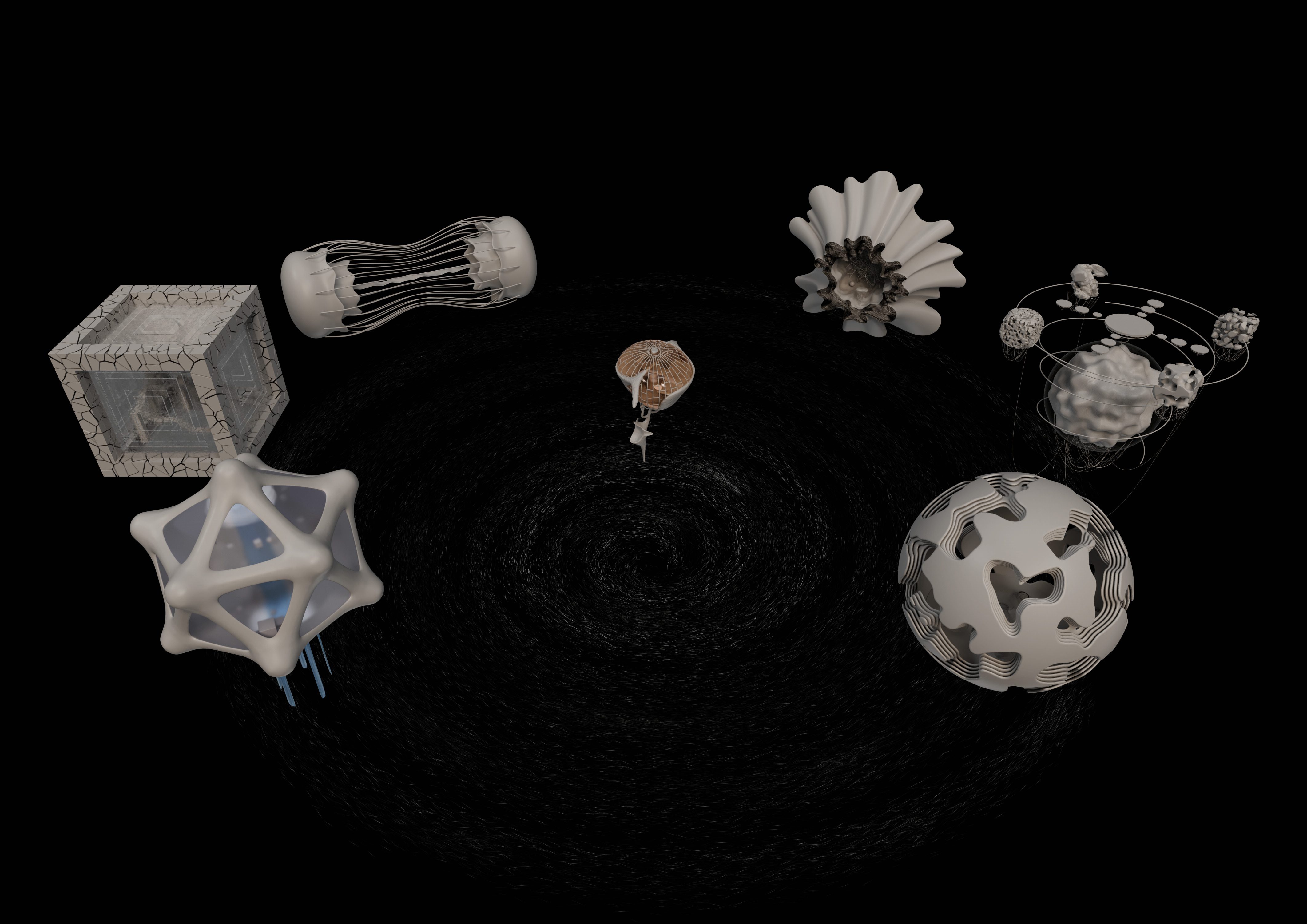
A 3D infographic of the human brain, explored through Virtual Reality. Inspired by Inside Out, the project transforms scientific knowledge into an accessible adventure — six microworlds, six functions, one mind.
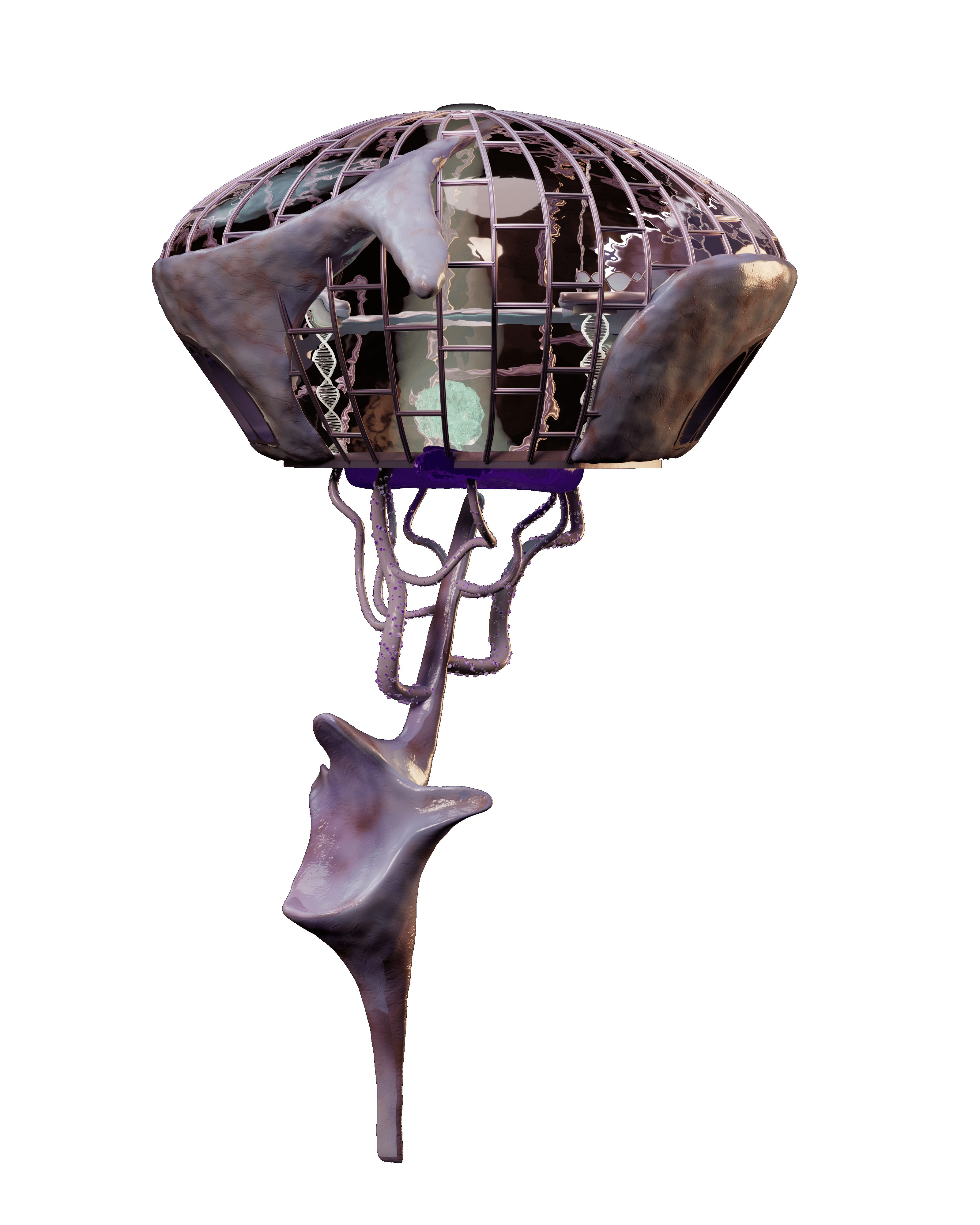
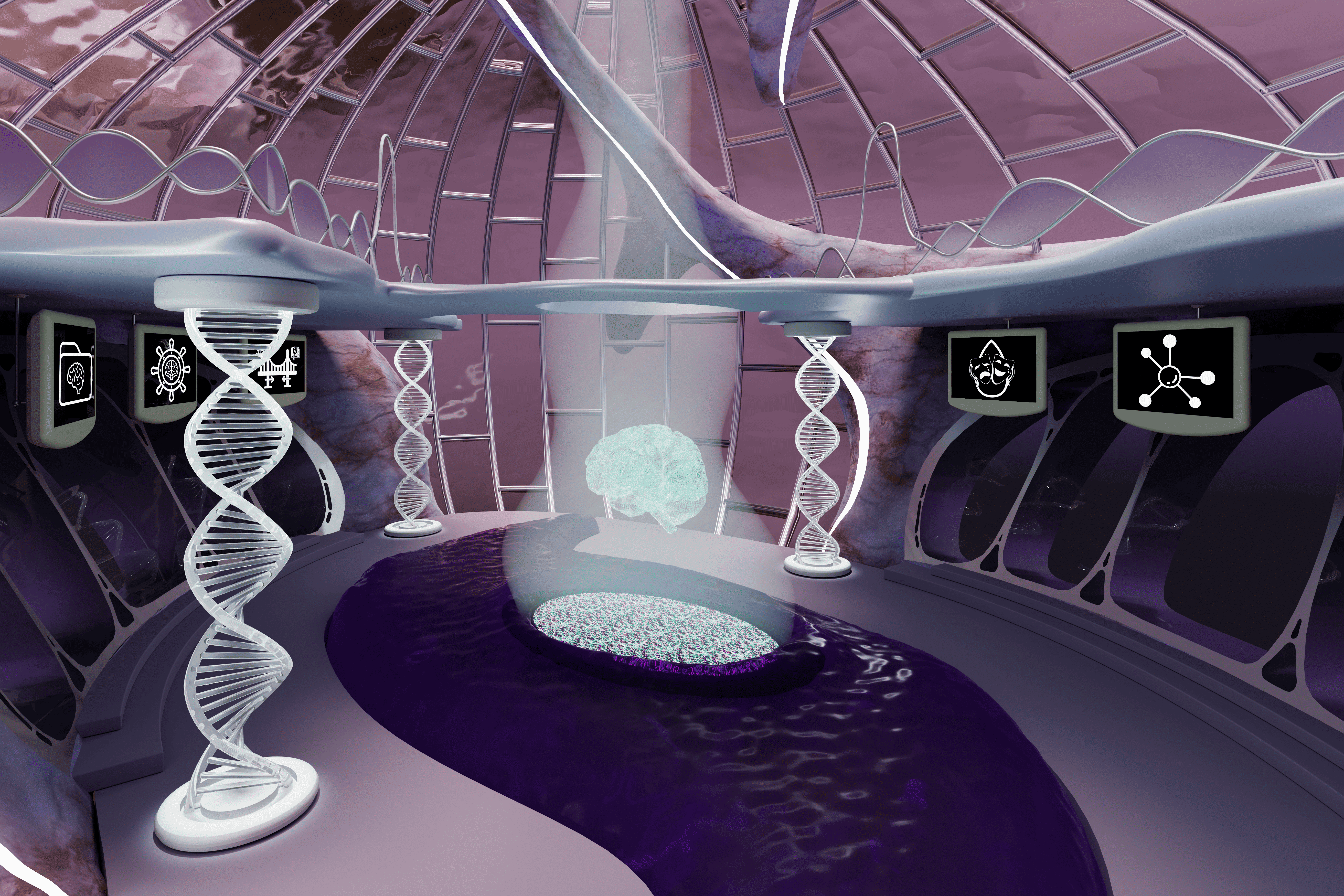
The central lobby is the command room — the connection point to all other worlds, arranged around it. Its form is inspired by the cerebral ventricles, reinterpreted in architectural language as a hybrid structure: composed on one side of organic forms that shape the skeleton, and on the other of more geometric and linear elements that define the inner spaces.
The hippocampus is a brain structure located deep within the temporal lobe, involved in the cognitive processes of long- and short-term memory, spatial memory, and orientation.
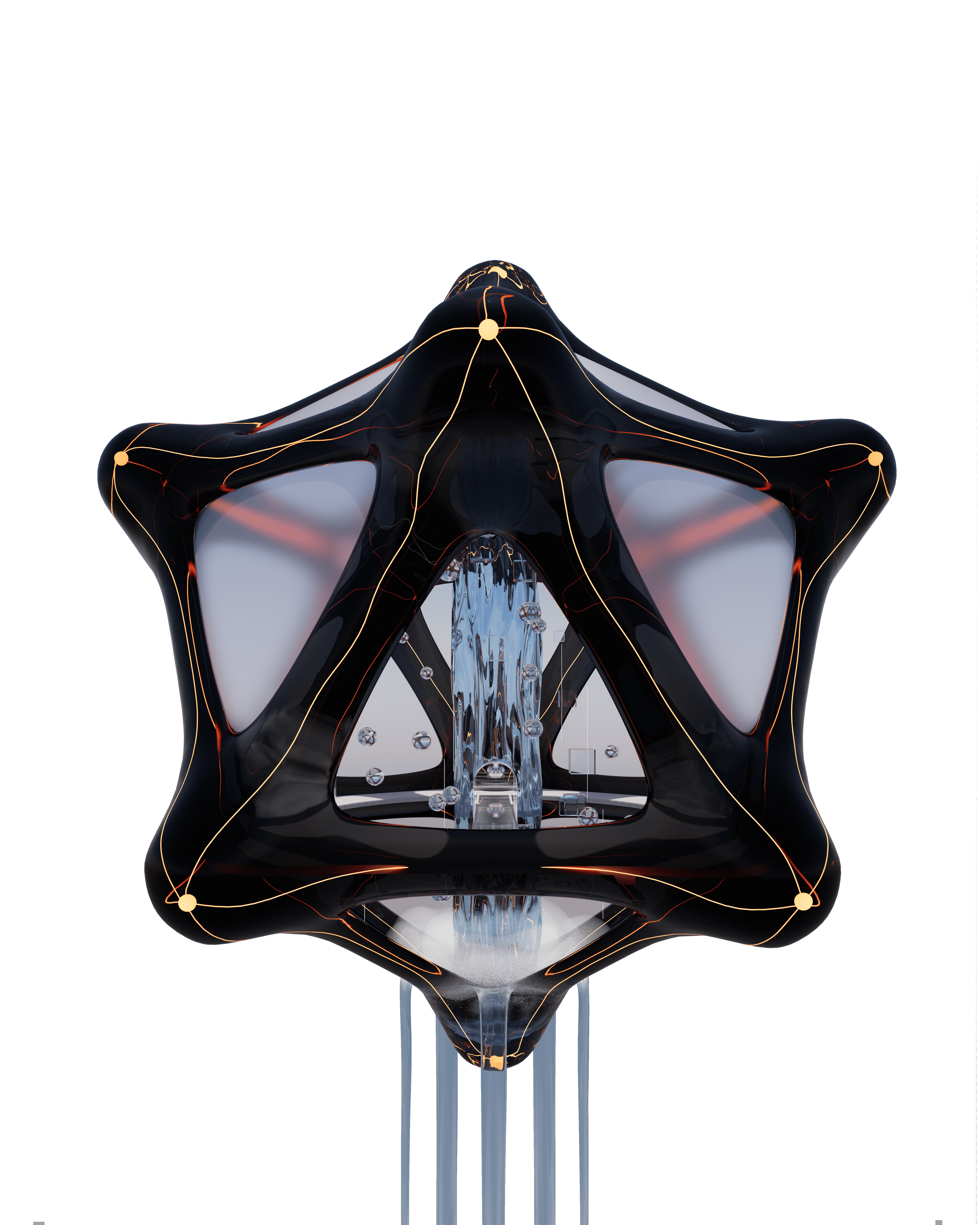
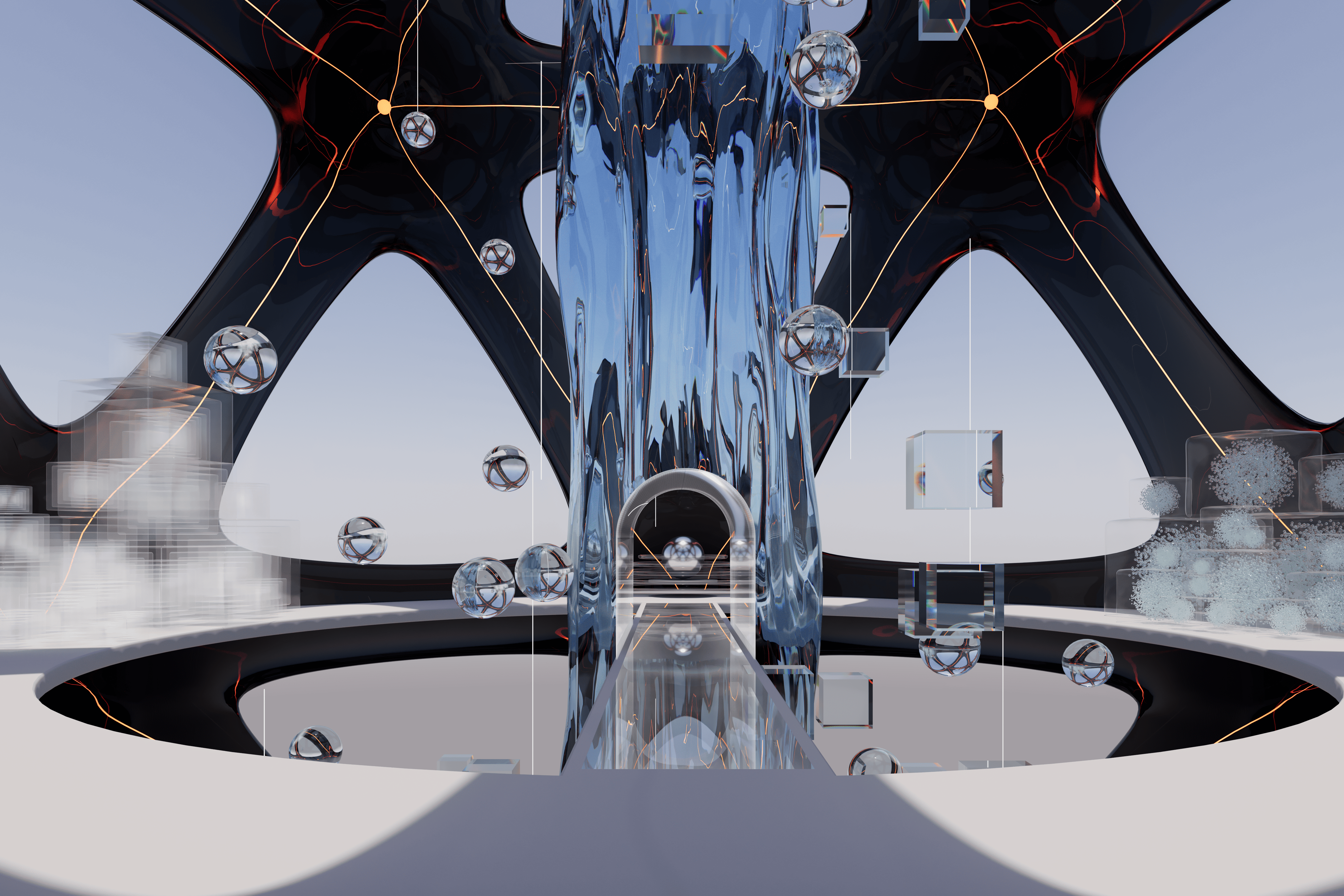
The Nucleus Accumbens is a brain structure considered the neural interface between motivation and action. Its main functions include the regulation of emotions, motivation, pleasure, and behavioral reinforcement, and it is crucial for the process of reward and gratification, influencing decisions and behaviors linked to the pursuit of pleasure.
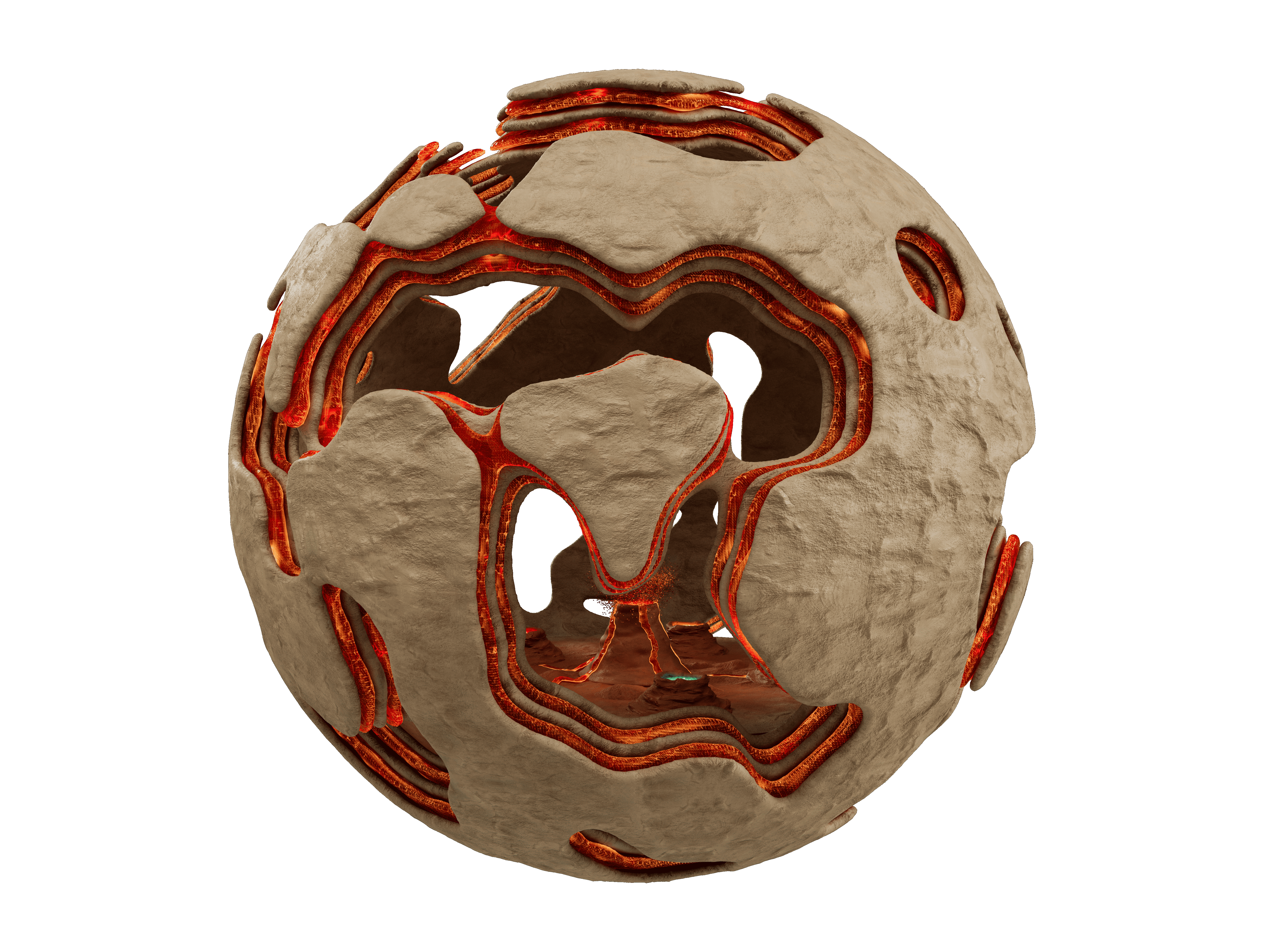
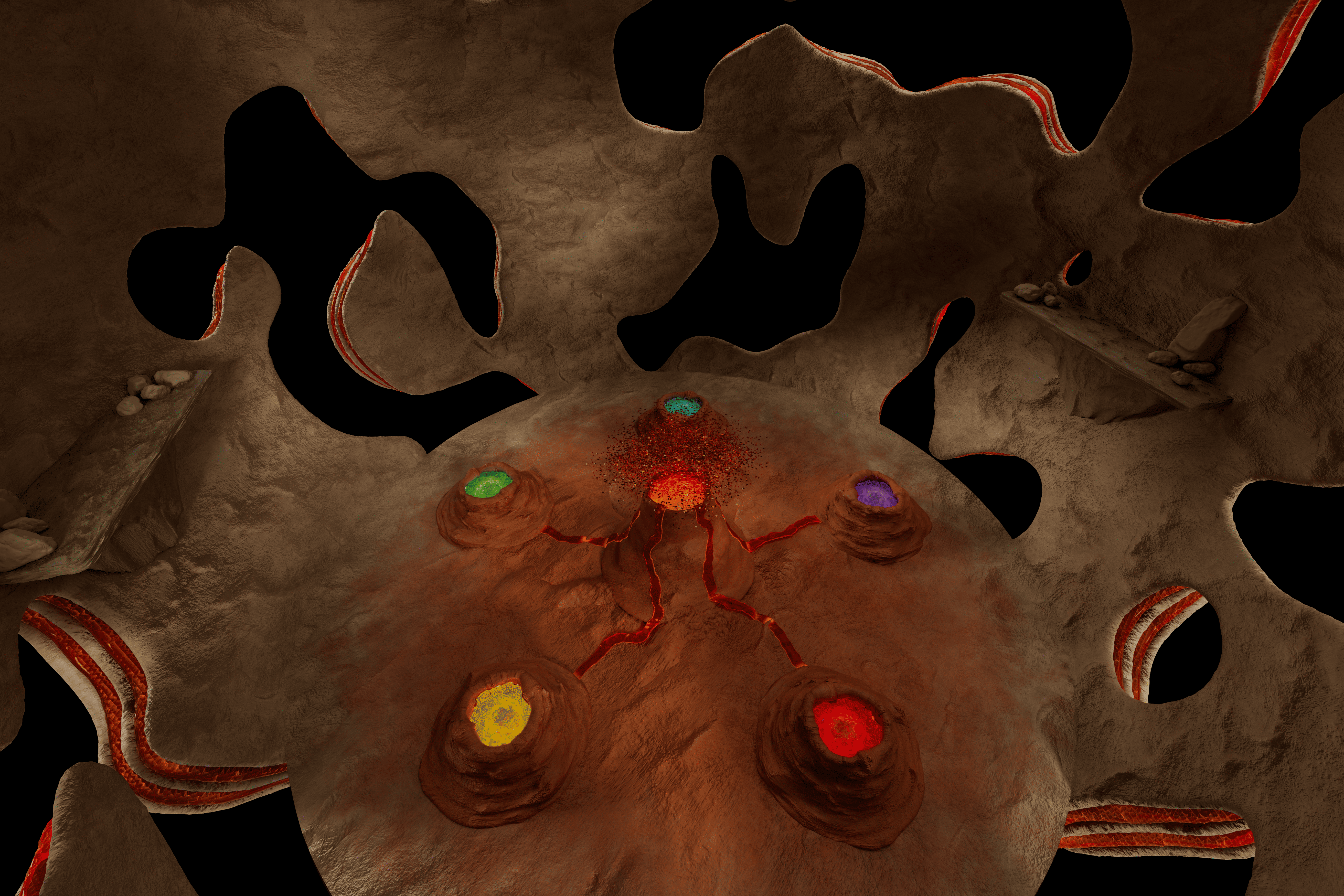
The prefrontal cortex is an important region for the control of higher cognitive functions and complex behaviors. Thanks to its connections with various cortical areas, it takes on the role of executive system, performing activities that include planning, integration and synthesis of information, regulation and control of complex and emotional behaviors, decision making, and the management of emotions.
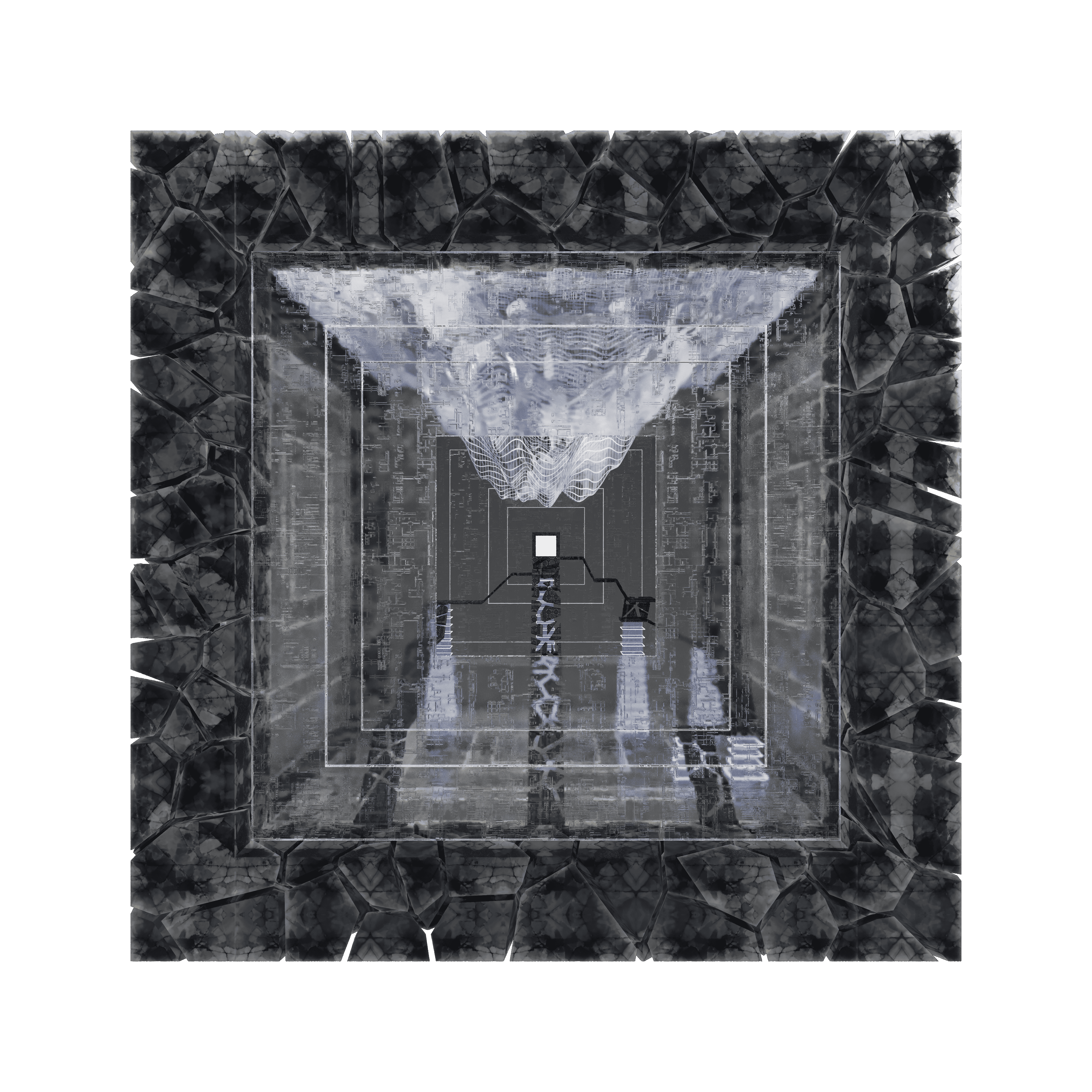
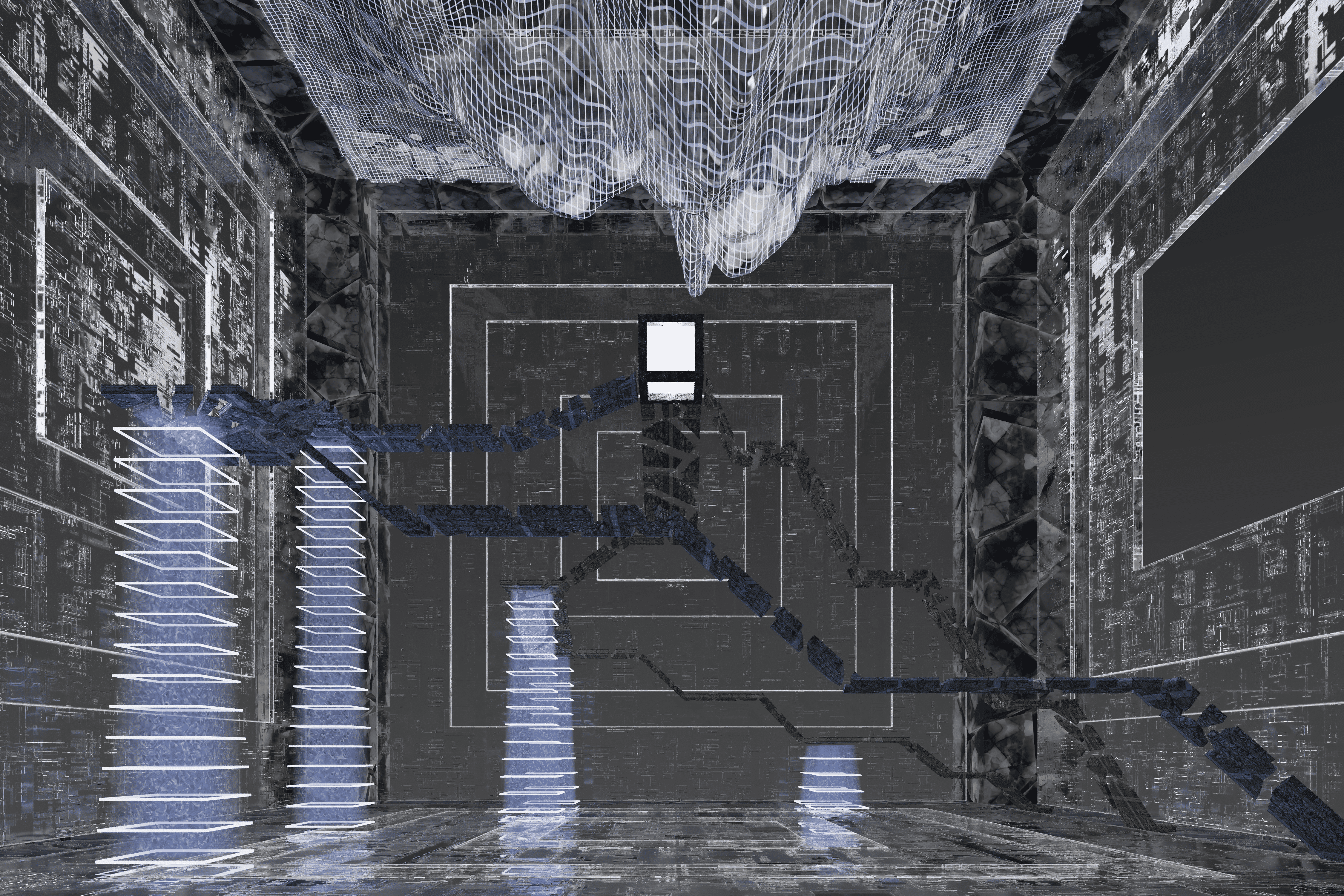
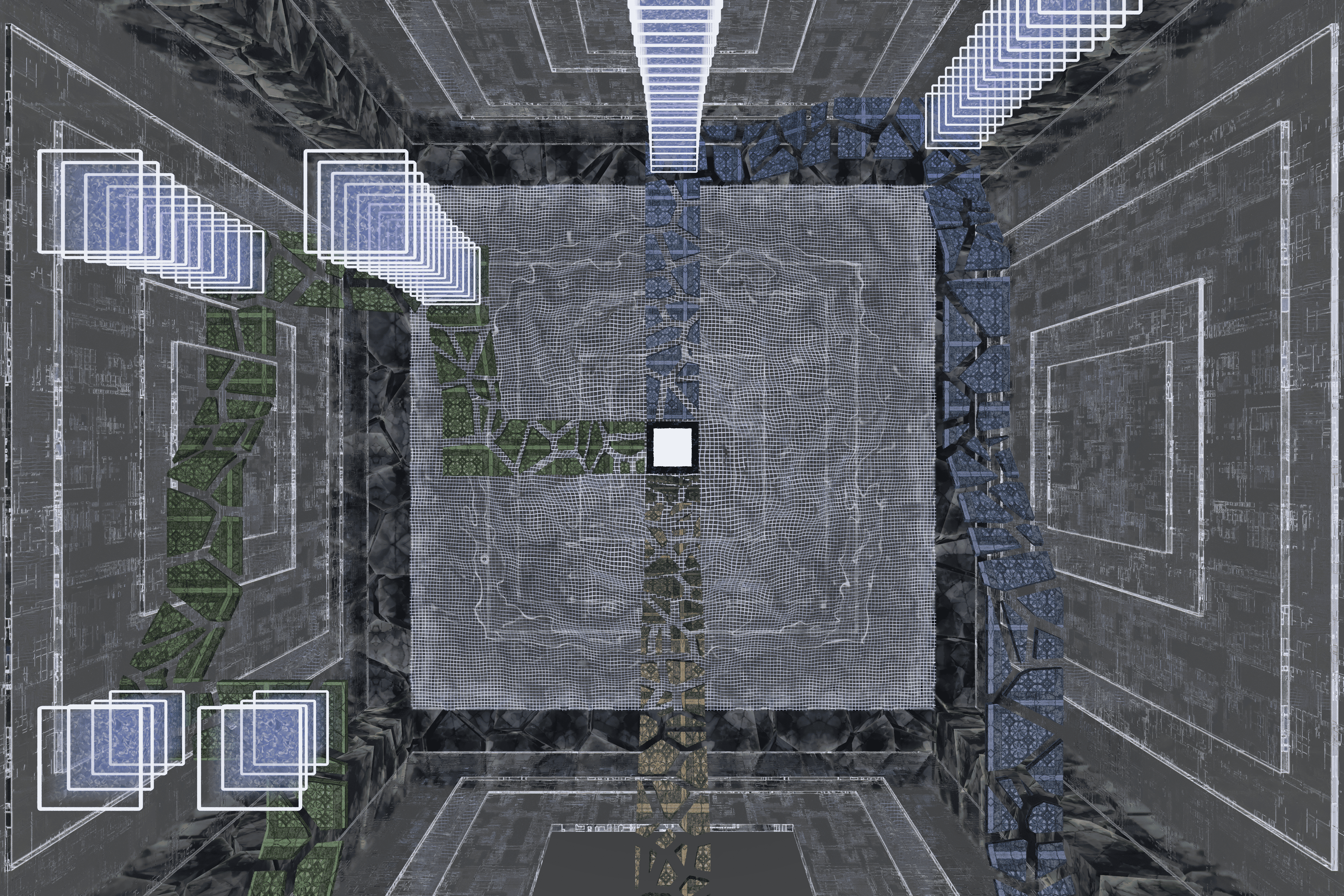
The insula is one of the least known brain structures. It is a portion of the cerebral cortex located deep between the temporal and parietal lobes. Its main function is to integrate information from internal bodily senses (such as heartbeat, breathing, and the state of internal organs) and external senses (such as sight, hearing, and touch) with emotions and behavioral responses.
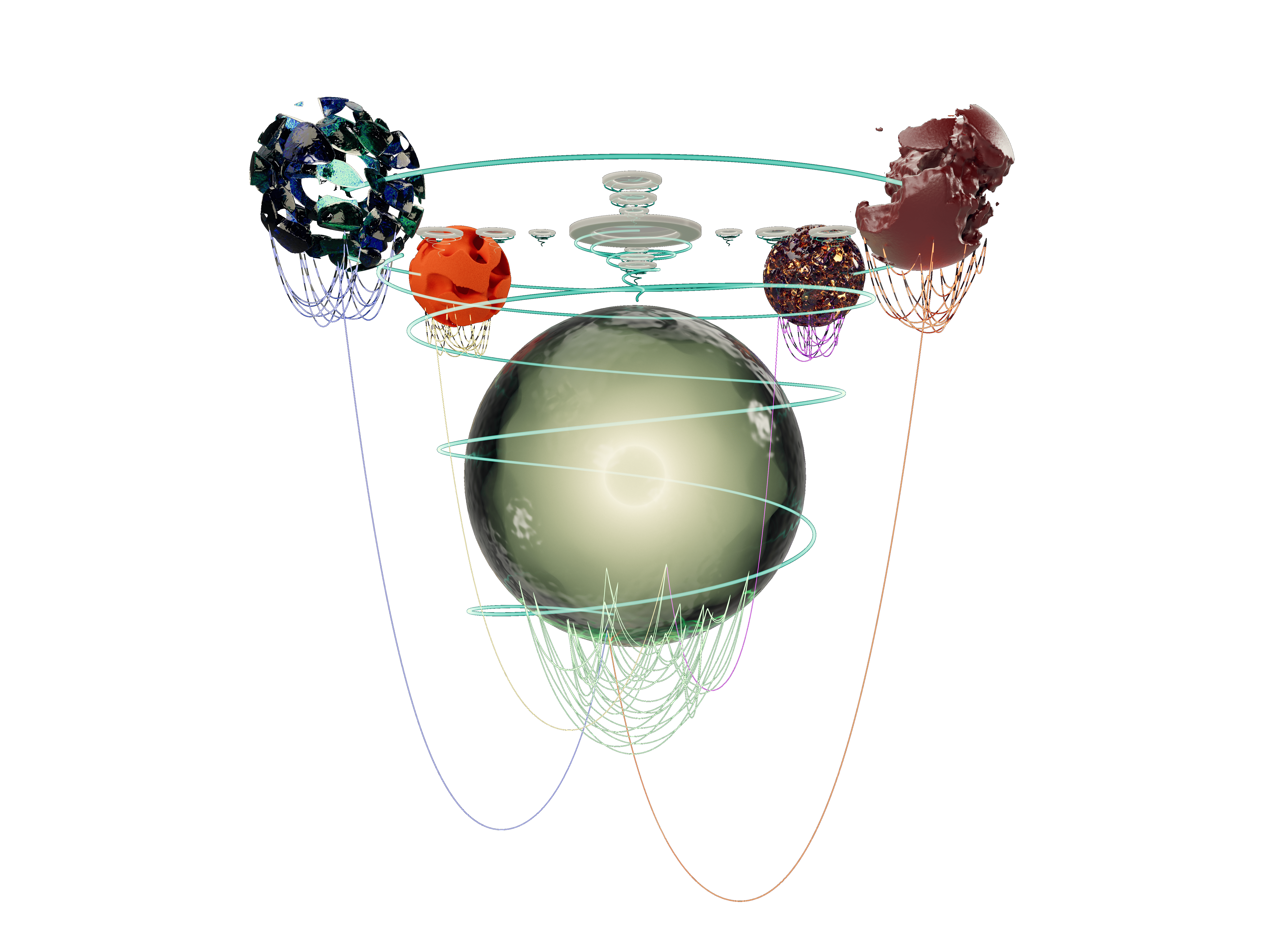
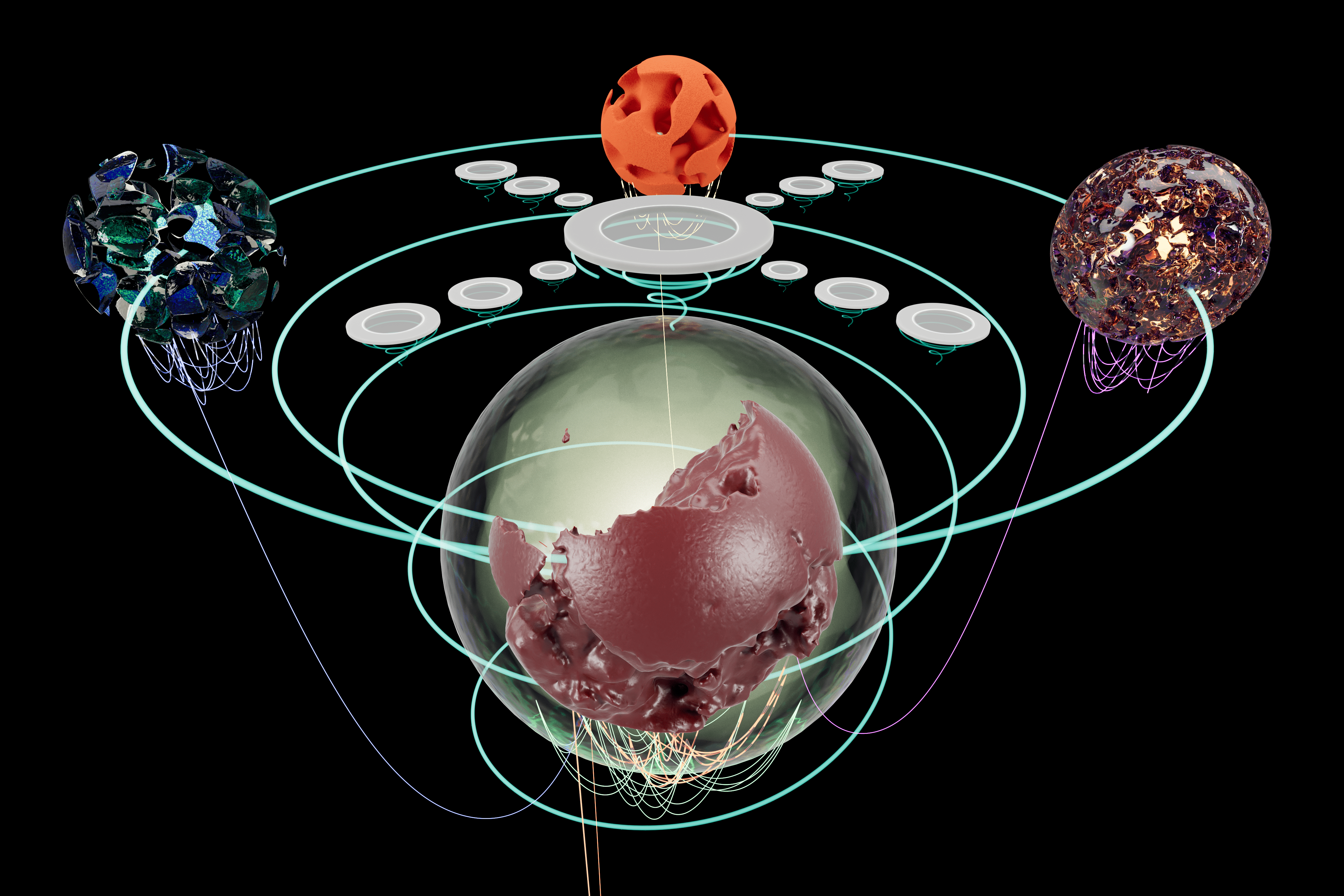
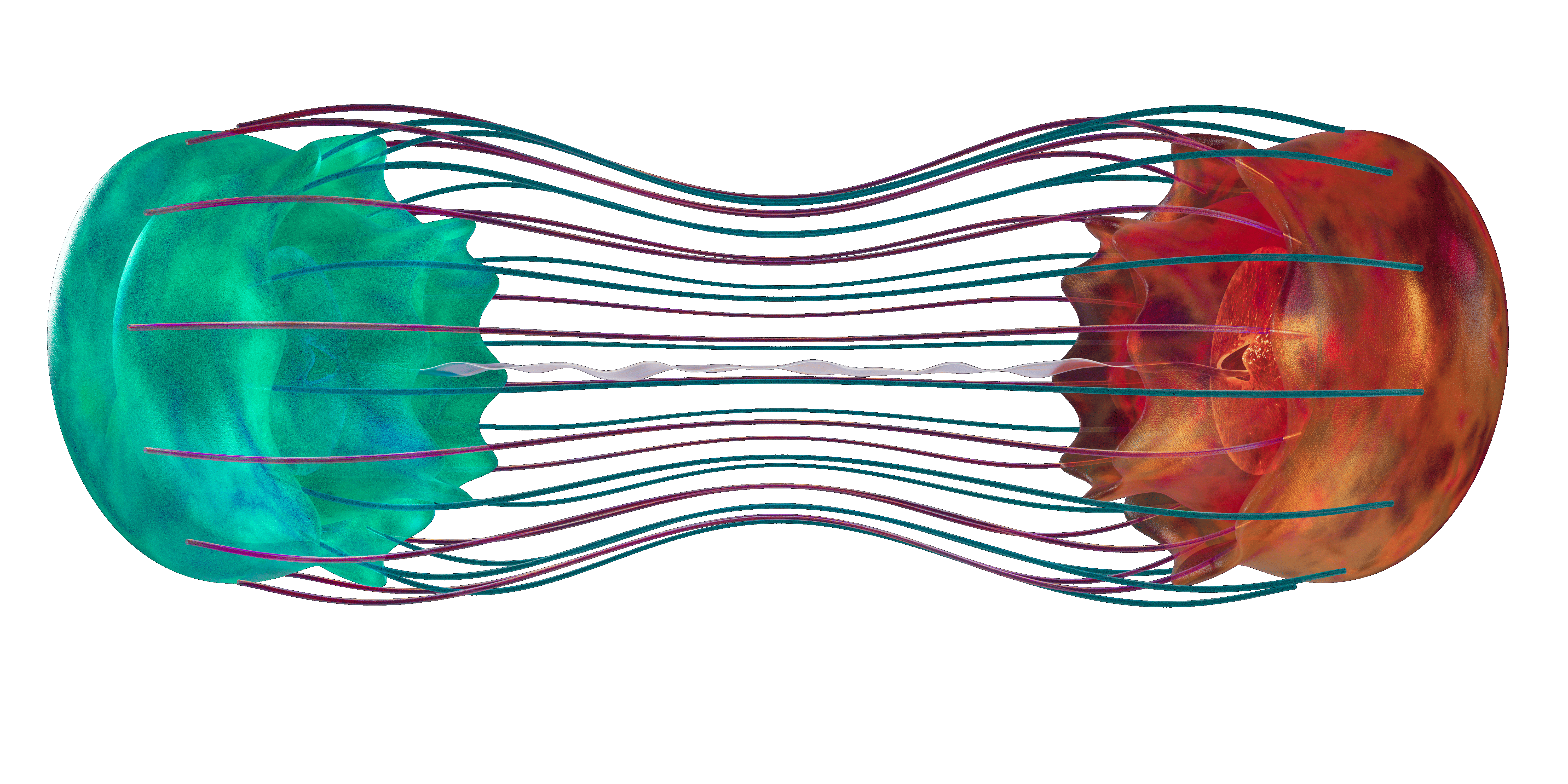
The corpus callosum is a cerebral commissure of white matter that measures approximately ten centimetres, located beneath the cerebral cortex, at the centre of the two hemispheres of the brain, and has a characteristic “c” shape facing downward. Its main task is to connect the two cerebral hemispheres, allowing the exchange of motor, sensory, and cognitive information — interhemispheric communication.
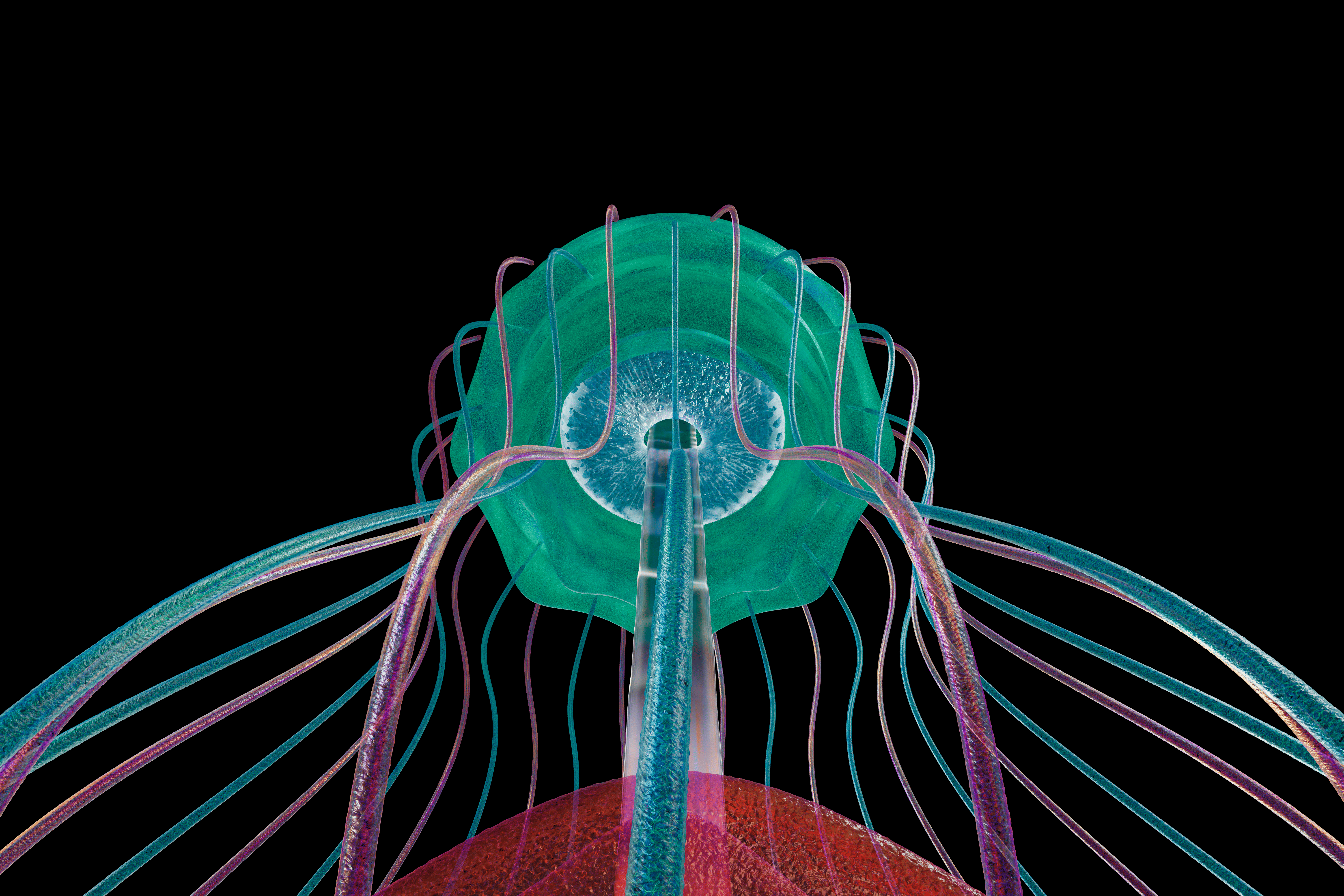
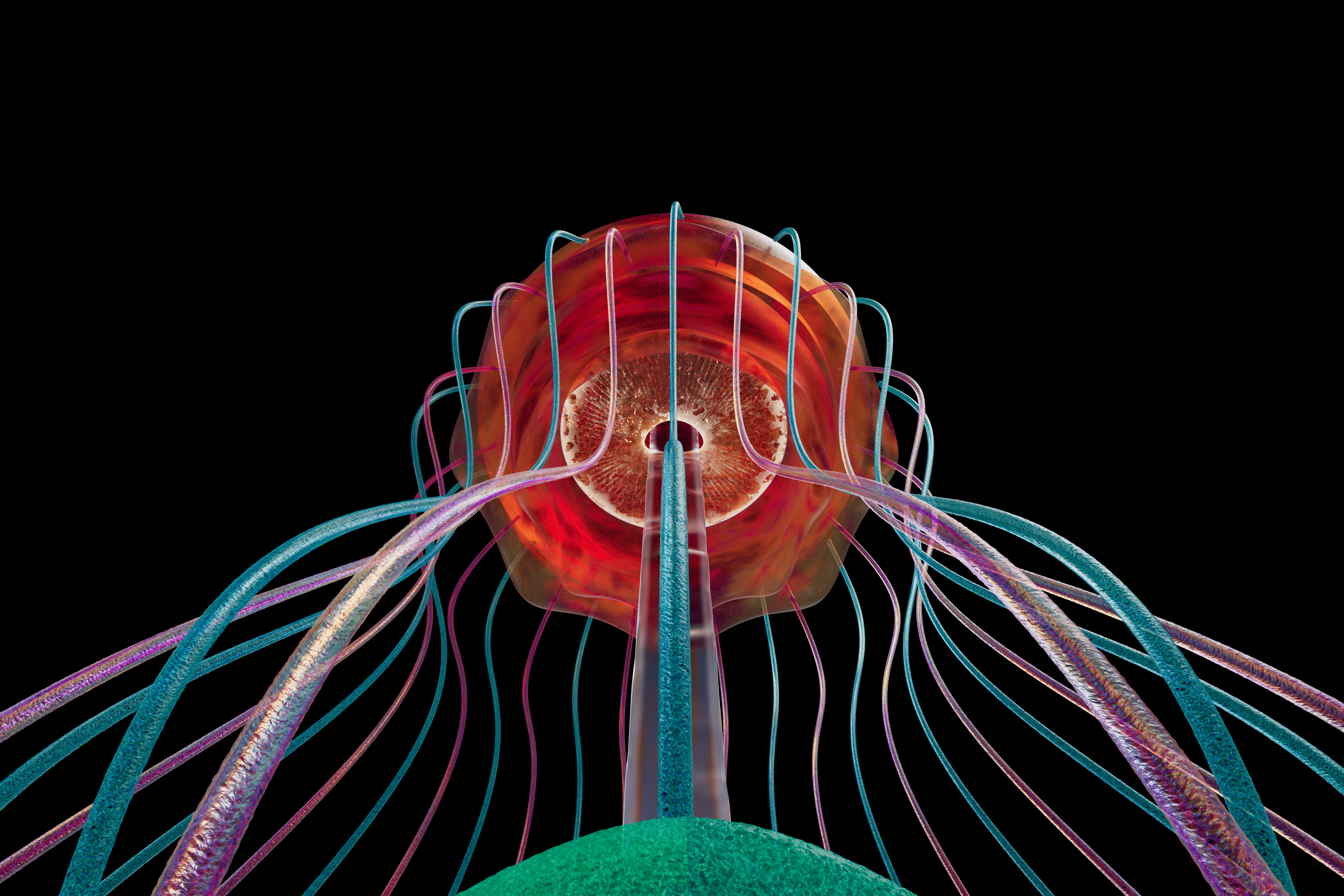
The amygdala is a cluster of nerve nuclei located in the inner part of both temporal lobes of the brain and owes its name to its shape, similar to an almond. It is described as the centre of emotions in the human brain, and its strategic position within the limbic system allows it to interact with other parts of the brain, involving it in a wide range of cognitive and emotional functions.
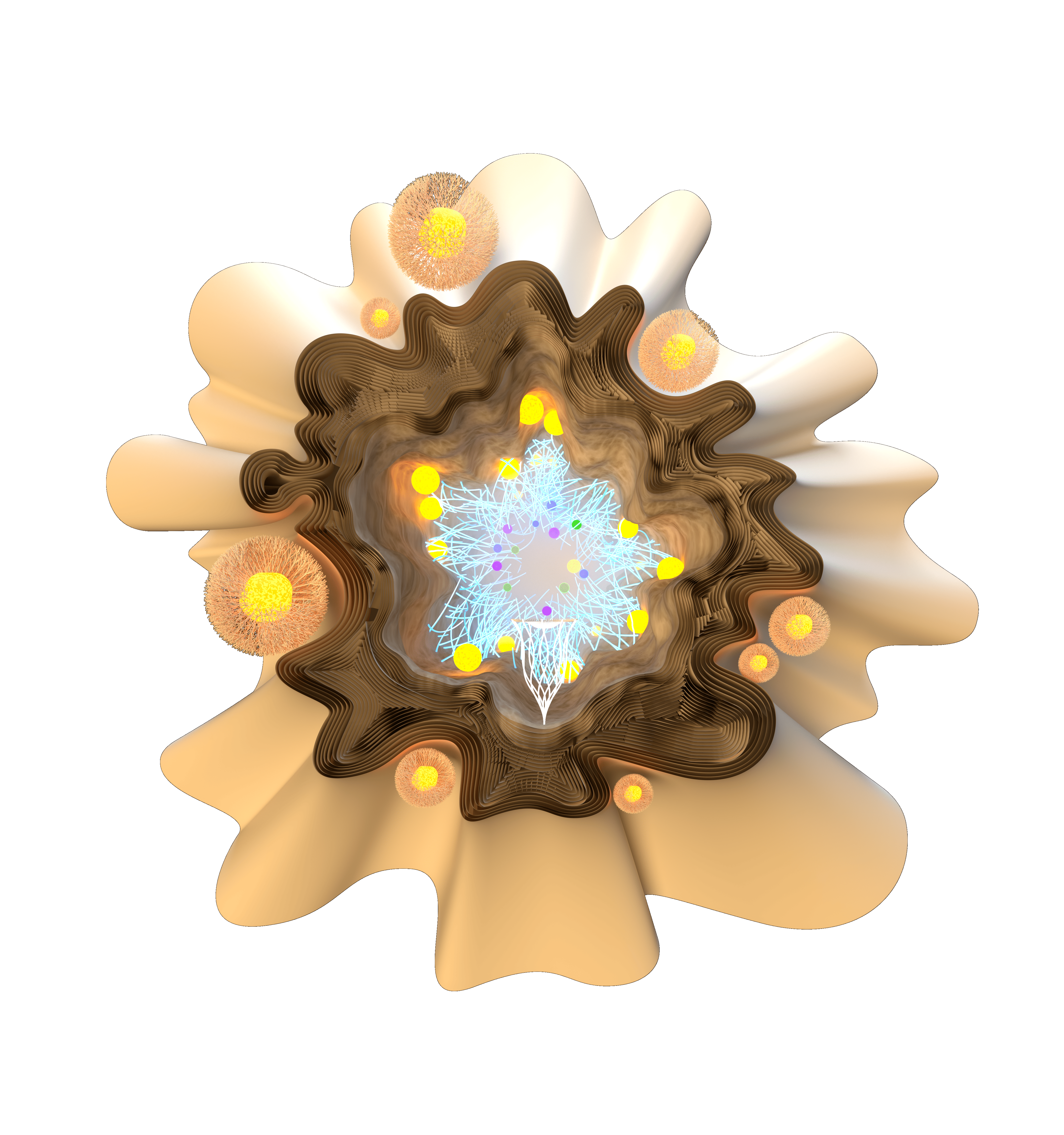
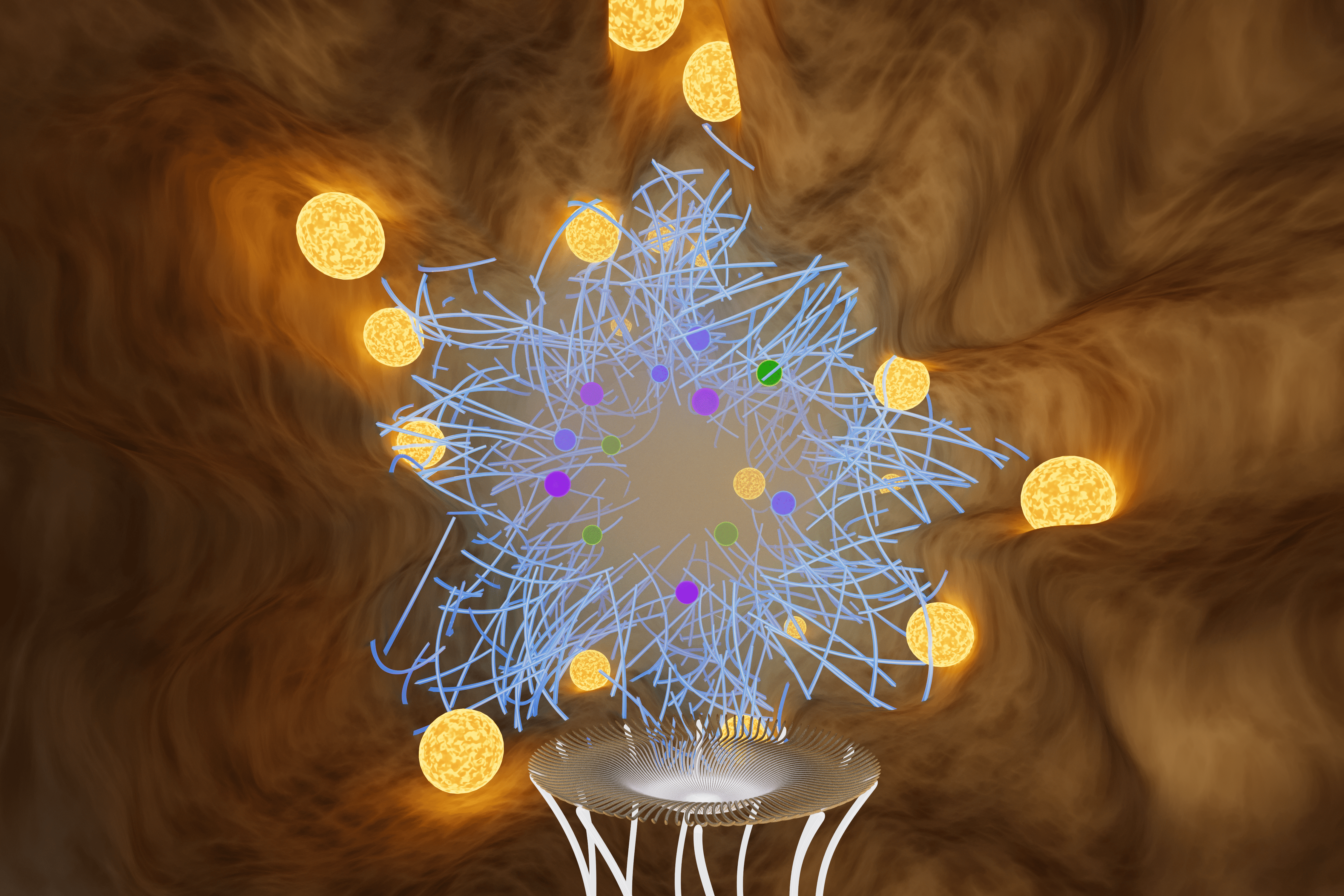
Step inside the lobby and walk through every microworld in immersive VR. The full interactive experience, designed for headset.
↗ Tour · 02A guided cinematic tour of the project, from the central lobby through all six microworlds. Narrated, full length.
↗"To enter the brain is to read the architecture of thought itself."Journey into the Human Brain — project note, 2025